Tantrum in kids: Children who are just starting school, typically in their early years of education, display a variety of kids’ behaviour’s, such as tantrums, as they embark on their educational journey. Consequently, it’s crucial to keep in mind that every child is an individual, and their conduct can vary significantly depending on their particular personalities, upbringings, and experiences.
When it comes to young school kids’ behavior (tantrum), there are a few frequent observations and things to keep in mind
Curiosity:
Young toddlers have a natural tantrum desire to learn about their surroundings and are naturally curious. They are incredibly curious and want to know everything they come across. This positive quality of curiosity should be fostered in order to cultivate a passion for learning.
Social development:
Children start interacting with peers more frequently once they start school. They might make new acquaintances and pick up crucial social skills like cooperating with others and sharing. They may also start to show signs of empathy at this point of Tantrum.
.
Emotional Expression:
Young children are still developing their emotional regulation skills. They may have difficulty expressing their feelings verbally and may resort to temper tantrum or other forms of emotional outbursts when they are upset or frustrated. It’s crucial for adults to help them understand and manage their emotions in a healthy way.
Independence:
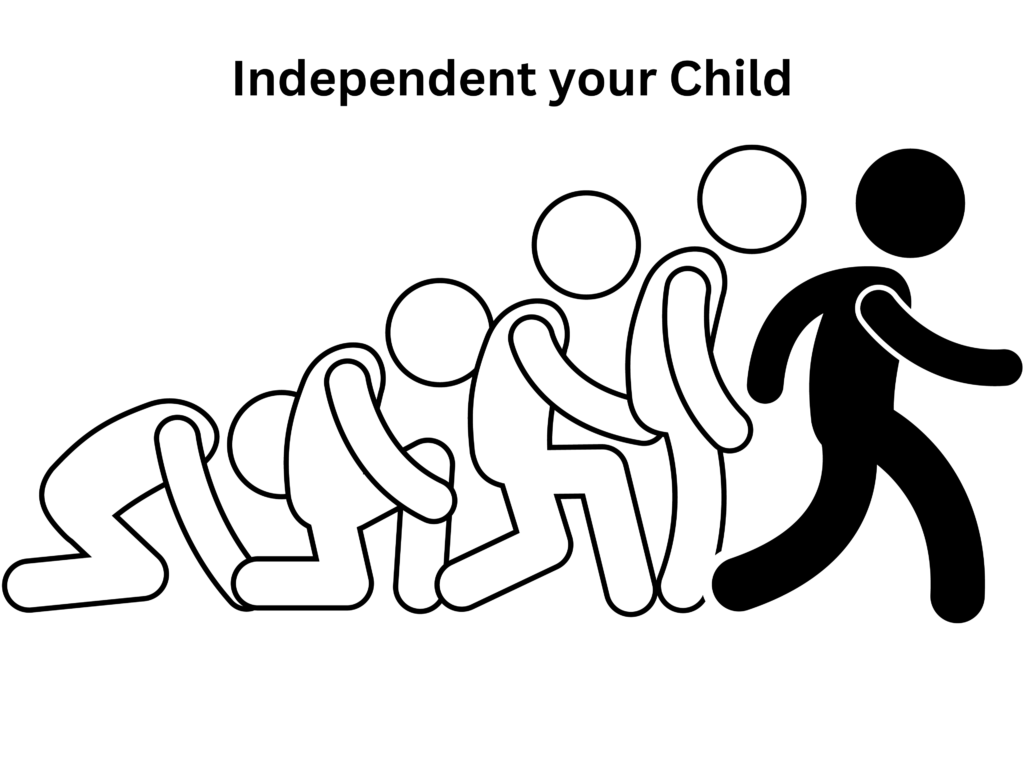
School-going kids often start to assert their independence. They may want to do things on their own, make choices, and test boundaries. Encouraging age-appropriate independence can help build their confidence and decision-making skills.
Pattern and Structure:
Giving school-age children a daily pattern can provide them predictability and consistency, which can make them feel safe and help them know what is expected of them. Somehow, physical activity is important for the overall health of young children since they have a lot of energy.
Play and exercise can be incorporated into their daily schedule to assist children get rid of surplus energy and maintain good health.
Imagination and Creativity:
Young children have great creative play skills and vivid imaginations. Their cognitive development may benefit from encouraging activities that stimulate imagination and creativity, such as storytelling and art.
Communication:
It’s important to communicate clearly with school-age youngsters.
Adults should actively listen to children’s worries, respond to their inquiries, and provide an environment that is free from judgment.
Patience and guidance:
It takes patience and understanding to support and guide young children through this stage of their development. Although, they might err while they learn how to navigate the world since they are still learning. However, adults should offer moderate instruction and encouraging feedback.
Conclusion:
In Kids’ Behavior (Tantrum), young Kids who have just started school are in an exciting Kids’ Behavior of growth and are bursting with curiosity and a desire for knowledge. It’s critical for parents and teachers to foster a loving atmosphere for their children’s academic and emotional development while also appreciating their individuality and different rates of progress.