COVID-19
COVID-19, short for “Coronavirus Disease 2019,” is a highly contagious respiratory illness caused by a novel coronavirus known as SARS-CoV-2. The disease first emerged in late 2019 in the city of Wuhan, Hubei province, China, and quickly spread to become frequently a global pandemic, fundamentally impacting nearly every aspect of daily life and public health worldwide.

Family of COVID-19
This virus belongs to the coronavirus family, which includes other notable pathogens such as the common cold and severe acute respiratory syndrome (SARS). Consequently, COVID-19 stands out for its ability to spread efficiently from person to person through respiratory droplets and aerosols, leading to a wide range of symptoms that can vary from mild flu-like symptoms to severe respiratory distress.
COVID-19 Restrictions
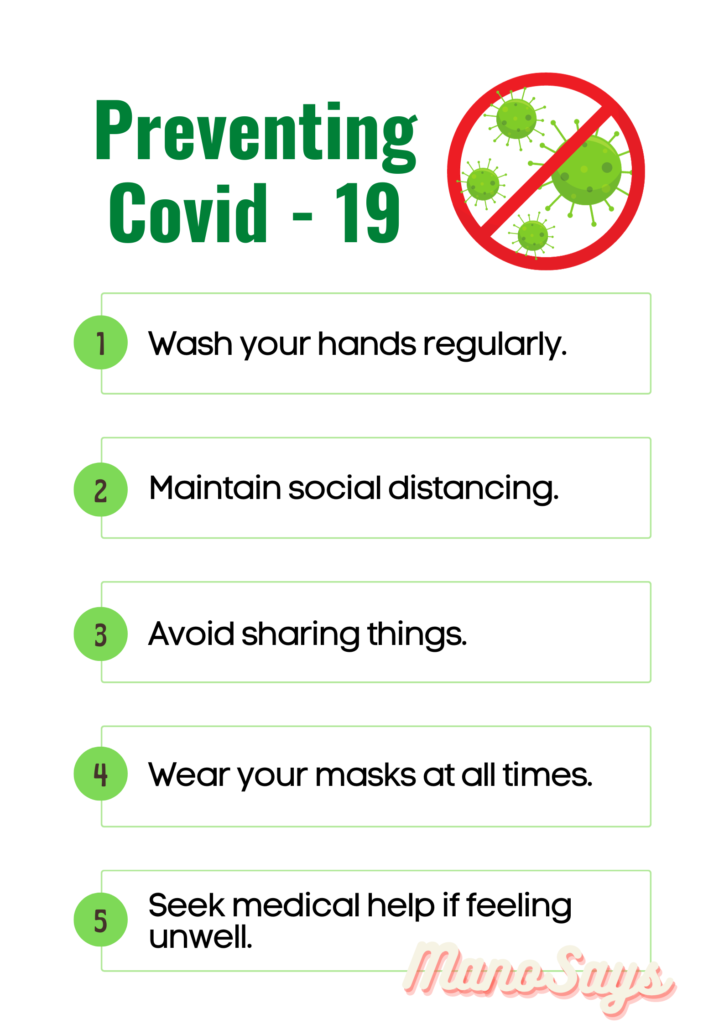
The rapid transmission of COVID-19 prompted governments, health organizations, and communities around the world to implement a series of measures to contain its spread. However, these measures included lockdowns, travel restrictions, mask mandates, social distancing, and the development and distribution of vaccines.
Pandemic Gone Viral
The pandemic had gone through several waves, with vaccine distribution and research into treatments playing crucial roles in the global response. However, the situation remained dynamic, with new variants of the virus emerging, posing ongoing challenges to public health.
It’s essential to note that the situation regarding COVID-19 is continually evolving, and the most up-to-date information can be obtained from reputable sources such as the World Health Organization (WHO) and the Centers for Disease Control and Prevention (CDC).
Disasters of COVID19
The COVID-19 pandemic has had far-reaching and profound impacts, leading to various societal, economic, and public health challenges. Here are some of the major disasters or consequences associated with the COVID-19 pandemic:
Loss of Lives:
COVID-19 has resulted in a significant loss of human life globally. Moreover, millions of people have succumbed to the virus, causing immense grief and loss for families and communities.
Overwhelmed Healthcare Systems:
Healthcare systems in many countries struggled to cope with the surge in COVID-19 cases. Hospitals faced shortages of essential medical supplies, beds, and personnel, leading to compromised healthcare for both COVID-19 and non-COVID patients.
Economic Impact:
The pandemic has triggered a global economic crisis, leading to job losses, business closures, and economic recessions. Moreover, many individuals and families have faced financial hardships due to lockdowns and reduced economic activity.
Educational Disruption:
The closure of schools and educational institutions disrupted the learning of millions of students worldwide, causing concerns about the long-term educational impact on young people.
Mental Health Crisis:
The pandemic has taken a toll on mental health. Isolation, anxiety, fear, and grief have led to increased rates of depression, anxiety disorders, and other mental health issues.
Social Isolation:
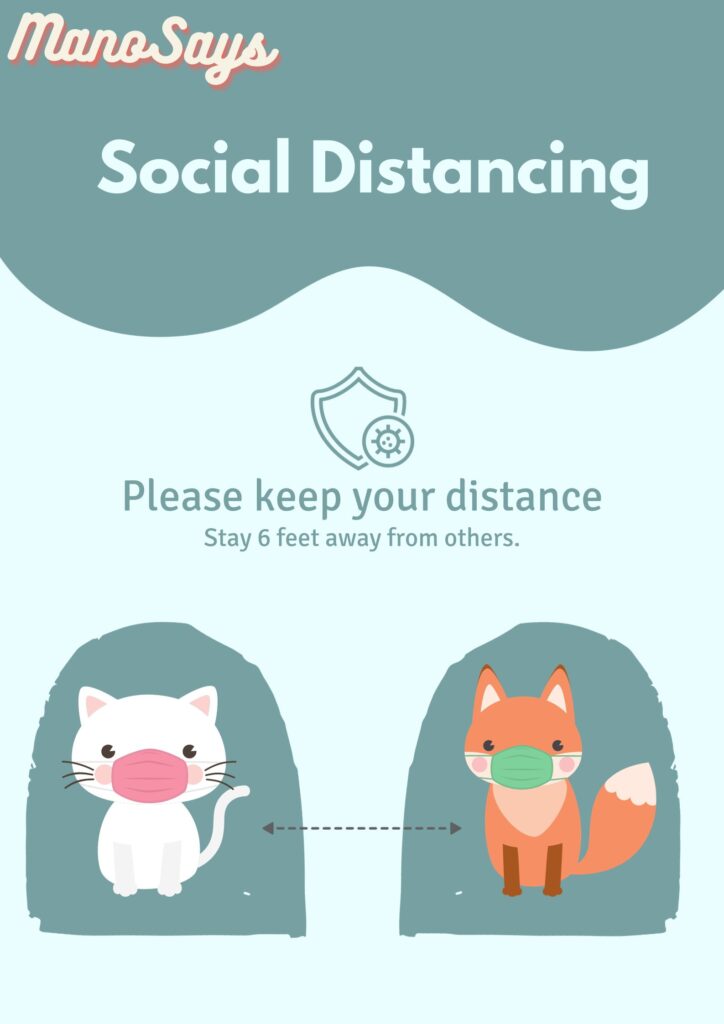
Lockdowns and social distancing measures led to increased social isolation, particularly among vulnerable populations. Moreover, loneliness and reduced social interaction have negative consequences for mental and emotional well-being.
Disruption of Travel and Tourism:
Furthermore, this pandemic severely affected the travel and tourism industry, leading to massive job losses and economic downturns in regions heavily dependent on tourism.
Supply Chain Disruptions:
The pandemic disrupted global supply chains, causing shortages of essential goods, including personal protective equipment (PPE), medical supplies, and consumer products.
Vaccine Inequity:
Although vaccines have been developed and distributed, there have been challenges in equitable access. Moreover, many low-income countries have struggled to secure an adequate supply of vaccines, leading to ongoing public health risks.
Disruption to Routine Healthcare:
COVID-19 led to disruptions in routine healthcare services, causing delays in non-COVID medical treatments and diagnoses.
Educational Inequality:
Furthermore, remote learning exacerbated educational inequalities, with students in underserved communities facing greater challenges in accessing online education resources.
Impact on Vulnerable Populations:
Vulnerable populations, including the elderly, those with underlying health conditions, and marginalized communities, have been disproportionately affected by the virus in terms of illness and mortality.
Stress on Healthcare Workers:
Healthcare workers faced immense stress and burnout due to the overwhelming demands of treating COVID-19 patients and concerns about their safety.
However, it’s important to note that the COVID-19 pandemic’s impact has evolved over time and continues to do so. Government responses, vaccination campaigns, and public health measures have played a critical role in mitigating some of these disasters but challenges remain as the world navigates through this ongoing crisis.