
Water Crisis
Water is indeed the essence of life, an invaluable resource that sustains all living beings on our planet. Moreover, its fundamental importance cannot be overstated, as it is essential for the survival, well-being, and flourishing of life in all its forms. However, we are currently facing a global water crisis that threatens not only our ecosystems but also our very survival. In this blog, we will explore the history of the water crisis and why it’s crucial to act now to save our planet.
“Save water save earth.”
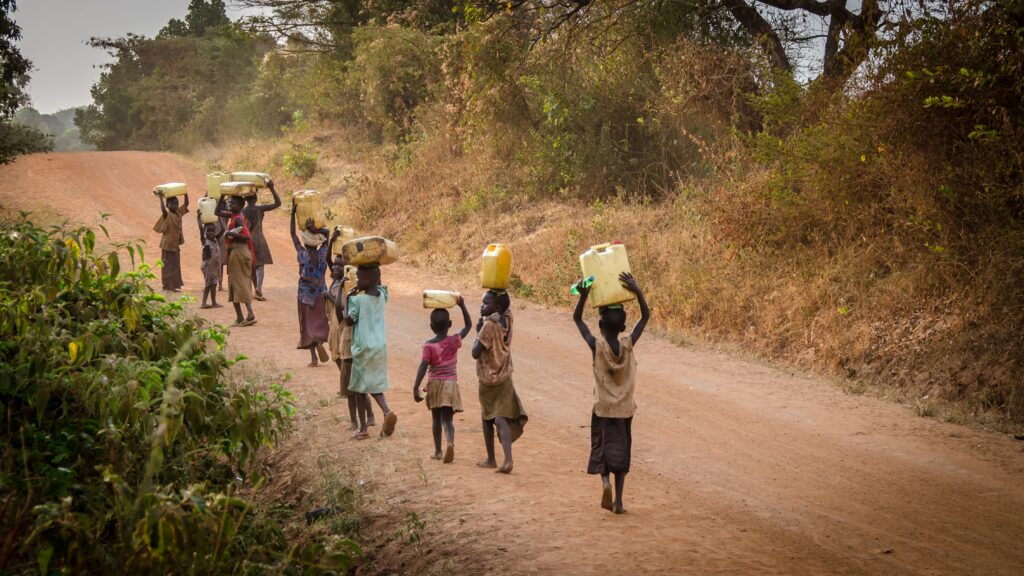
The History of the Water Crisis
The story of the water crisis dates back centuries, yet it has escalated dramatically in recent decades due to a combination of complex and interconnected factors. However, here’s a brief historical overview:
Early Human Settlements:
Throughout history, human civilizations have settled near water sources, thereby relying on them for drinking, agriculture, and sanitation. Moreover, ancient civilizations like the Egyptians, Mesopotamians, and Indus Valley people developed complex irrigation systems to manage water resources efficiently.
Industrialization and Urbanization:
The Industrial Revolution marked a turning point in human history. Consequently, with the rise of factories and urban centers, there was a surge in water demand for industrial processes, drinking water, and sanitation. As a result, this led to increased pollution of water sources.
Modern Agriculture:
The Green Revolution of the mid-20th century brought about a significant increase in agricultural productivity. However, it also led to the widespread use of water-intensive irrigation methods and chemical fertilizers, depleting water resources further.
Population Growth:
The world’s population has been steadily increasing, thereby placing additional stress on freshwater supplies. Consequently, more people mean increased demand for water, not only for essential needs like drinking, cooking, and sanitation but also for industrial and agricultural purposes.
Climate Change:
Climate change has disrupted rainfall patterns. But this has resulted in prolonged droughts in some regions and more intense rainfall in others. Consequently, this unpredictability exacerbates water scarcity issues.
Industrial and agricultural runoff, as well as inadequate wastewater treatment, have polluted rivers, lakes, and aquifers. As a result, these contaminated water sources threaten the health of both humans and ecosystems.
Groundwater Depletion:
Excessive extraction of groundwater for agriculture and municipal use has led to the depletion of aquifers in many parts of the world. Unfortunately, once these aquifers are depleted, they take centuries to replenish, and in some cases, they may never fully recover.
Aquatic ecosystems, including rivers, lakes, and wetlands, have suffered from habitat destruction, overfishing, and pollution, affecting the biodiversity they support.
Why We Must Act Now
The consequences of the water crisis are dire and far-reaching:
Human Health:
Lack of access to clean water and proper sanitation has dire consequences. This situation leads to waterborne diseases, claiming millions of lives each year.
Food Security:
Water scarcity threatens global food production, potentially leading to food shortages and price spikes.
Ecosystems:
Aquatic ecosystems are in jeopardy, impacting biodiversity and disrupting the delicate balance of nature.
Economic Impact:
Water scarcity hampers economic development, as industries and agriculture depend heavily on water.
Conflict:
Competition for water resources can lead to regional and international conflicts.

How to Address the Water Crisis?
Conservation:
We must use water more efficiently in our daily lives, industries, and agriculture.
Invest in Infrastructure:
Developing and maintaining water infrastructure, including dams, reservoirs, and wastewater treatment plants, is essential.
Water Recycling:
Implementing water recycling and reuse systems can reduce freshwater demand.
Rural Development:
Support sustainable agricultural practices and provide alternatives to water-intensive crops.
Climate Mitigation:
Address climate change to stabilize rainfall patterns and reduce extreme weather events.
Policy and Governance:
Governments and organizations must enforce regulations and promote responsible water management.
Education:
Raise awareness about the importance of water conservation and sustainable practices.
Conclusion:
The water crisis is not a distant problem; it’s a global emergency that demands immediate action. By understanding its history and the factors contributing to it, we can work collectively to conserve this precious resource and ensure a sustainable future for ourselves and generations to come. In essence, the time to act is now, for the sake of our planet and all its inhabitants.

Why water is important for life?
Water is crucial for life on Earth for several fundamental reasons:
Essential for Survival:
Water is a fundamental requirement for the survival of all living organisms, ranging from the simplest single-celled organisms to complex multicellular organisms like humans. It serves as the primary constituent of cells and plays a critical role in a wide array of biological processes essential for life.
Universal Solvent:
Water is often referred to as the “universal solvent” due to its unique ability to dissolve a wide range of substances. This exceptional property allows it to act as a vehicle for transporting nutrients and minerals within living organisms, thereby facilitating essential metabolic processes.
Temperature Regulation:
Water has a high specific heat capacity, which means it can absorb and store a significant amount of heat energy without a rapid change in temperature. Therefore, this property helps regulate temperature on Earth and within living organisms, preventing extreme temperature fluctuations that could be detrimental to life.
Medium for Chemical Reactions:
Many vital biochemical reactions occur in aqueous environments. So, water serves as a medium in which these reactions take place, allowing biological molecules to interact and facilitate processes like digestion, photosynthesis, and cellular respiration.
Transport Medium:
In living organisms, water serves as a medium for the transportation of nutrients, gases, and waste products. However, in plants, it is essential for the movement of water and nutrients from the roots to the rest of the plant.
Lubrication:
Water provides lubrication for various biological processes. For example, it acts as a lubricant in joints, reducing friction and allowing for smooth movement.
Supporting Ecosystems:
Water bodies, such as oceans, rivers, and lakes, play a pivotal role in supporting diverse ecosystems that serve as habitats for a wide variety of species. Within these ecosystems, various organisms find food, shelter, and the oxygen necessary for their survival. Furthermore, this interconnected web of life in aquatic environments significantly contributes to the biodiversity and ecological balance of our planet.
Hydration:
For humans and other animals, water is essential for maintaining proper hydration levels. Furthermore, dehydration can have severe health consequences and can lead to various health issues.
Digestion:
Water plays an vital role in the digestive process by helping in the breakdown of food and facilitating the absorption of nutrients within the gastrointestinal tract. Furthermore, this vital function ensures that our bodies can extract essential nourishment from the foods we consume, supporting overall health and well-being.
Cognitive Function:
Proper hydration is essential for maintaining cognitive function. Even though, mild dehydration can impair mental performance and concentration.
Summery:
In summary, water is not just important for life it is a prerequisite for life as we know it. However, its unique properties make it indispensable for the functioning of biological systems and the sustenance of ecosystems. Even though Without an adequate supply of clean water, the survival and well-being of all living organisms, including humans, are severely compromised.
What are challenges?
In 2022, a staggering 2.2 billion people still lacked access to safely managed drinking water. Furthermore, this included 703 million individuals without even a basic water service, 1.5 billion without access to basic sanitation services, and a staggering 2 billion people who couldn’t avail of a basic handwashing facility, with 653 million having no access to handwashing whatsoever.
It’s crucial to recognize that by prudently managing our water resources, we can achieve a multitude of positive outcomes. However, this includes improved control over food and energy production, the creation of more quality jobs, and the stimulation of economic growth.
Furthermore, wise water management allows us to take meaningful steps in combatting climate change and preserving the rich biodiversity within our water ecosystems. However, the imperative to act on water-related issues is clear, and it is intricately linked to the broader goals of sustainability and a thriving planet for all.
Conclusion:
Prudent water resource management is not just an environmental necessity rather, it serves as a pathway to a more prosperous, secure, and sustainable future for both humanity and the planet. Consequently, recognizing the critical importance of water and taking proactive steps to protect and manage it wisely is essential for the well-being of current and future generations.