
Poverty is a state or condition in which a person or community lacks the financial resources and essentials for a minimum standard of living. Consequently, Penury-stricken people and families might go without proper housing, clean water, healthy food, and medical attention.
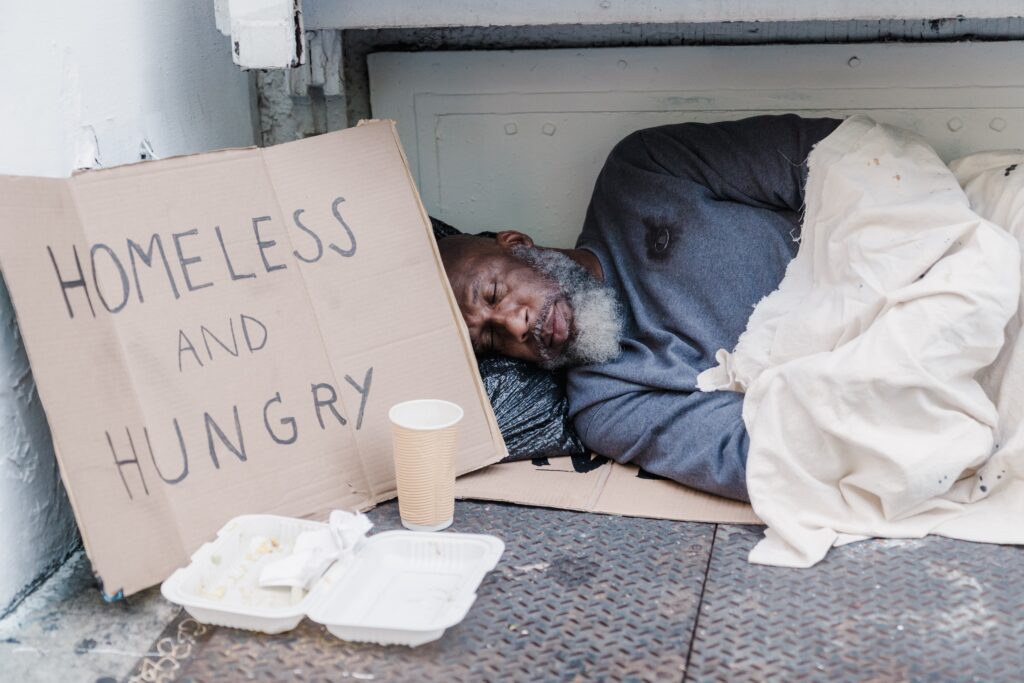
Penury has devastating causes and effects on individuals, families, communities, and societies as a whole.
Additionally, its impact extends across various aspects of life, leading to a cycle of deprivation that can be challenging to break.
Causes of Poverty:
Lack of Education
Limited access to quality education can perpetuate Penury. Furthermore, without education and skills, individuals are less likely to secure well-paying jobs.
Unemployment
High levels of unemployment, particularly among marginalized groups, contribute to Penury. Moreover, a lack of job opportunities can leave individuals and families without a stable source of income.
Low Wages
Many people are trapped in low-wage jobs that do not provide a livable income. Consequently, this often leads to financial instability and the inability to meet basic needs.
Health Issues
Poor health can push people into low living, especially when it results in medical bills and reduces work capacity. Additionally, lack of access to healthcare services can exacerbate this issue.
Discrimination and Inequality
Discrimination based on factors like race, gender, ethnicity, or disability can limit opportunities and contribute to Penury. Furthermore, inequitable distribution of resources and opportunities can also perpetuate Penury.
Geographic Factors
Low loving can be concentrated in certain geographic areas due to factors like limited economic opportunities. Moreover, lack of infrastructure, or environmental challenges.
Family Structure
Single-parent households, especially those led by women, are more vulnerable to poverty. Additionally, balancing work and caregiving responsibilities can be a significant challenge.
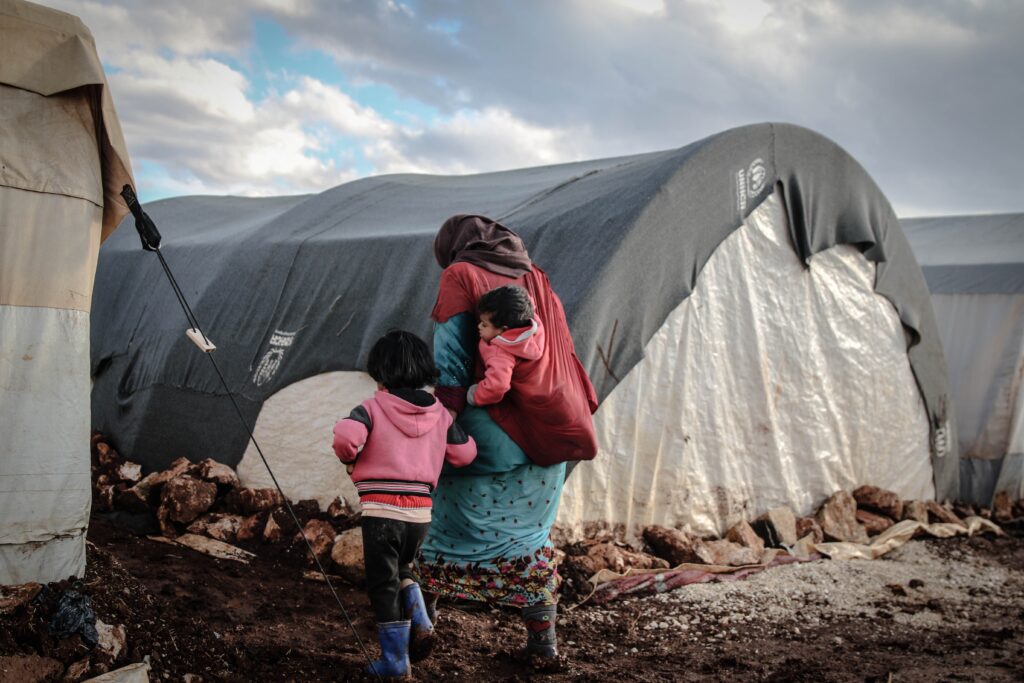
Effects of Poverty:
Health Consequences:
Poor living is associated with poor health outcomes however limited access to healthcare, nutritious food, and safe living conditions can lead to higher rates of illness and shorter lifespans.
Limited Educational Opportunities:
Poor living often restricts access to quality education. Similarly, this lack of educational opportunities can perpetuate the cycle of paucity by limiting future earning potential.
Nutrition and Food Insecurity:
Poor living can lead to food insecurity, malnutrition, and hunger. However, this affects physical and cognitive development, particularly in children.
Housing Instability:
Low-income individuals and families often struggle to find stable and safe housing. Consequently, this can lead to homelessness or living in substandard conditions.
Social Exclusion:
Poverty can result in social isolation and exclusion, as individuals may not have the means to participate in social activities or access community resources.
Crime and Violence:
High levels of paucity can be associated with increased crime rates and violence, as individuals may resort to illegal activities to meet their basic needs.
Limited Economic Mobility:
Paucity can trap individuals and families in a cycle of intergenerational hunger, making it difficult to improve their economic circumstances.
Psychological Impact:
Living in poverty can have a significant psychological toll, leading to stress, anxiety, and depression.
Political Instability:
In extreme cases, widespread poverty can contribute to political instability and conflict, as marginalized groups may seek change through protests or even violence.
The devastating effects of destitution underscore the importance of addressing its root causes and implementing policies and programs aimed at reducing poverty, promoting economic opportunities, and ensuring social safety nets to support those in need.
Poverty alleviation efforts can have far-reaching social and economic benefits. First, they can lead to a more equitable society. Next, they can improve overall prosperity.
Types of Poverty:
Poverty is a complex and multifaceted (having many sides) issue that can take various forms.
Different types includes
Absolute Poverty:
Absolute poverty is when individuals or families cannot meet their basic survival needs due to an income.
For instance, the World Bank defines absolute poverty as living on less than $1.90 per day.
Relative Poverty:
It is a measure of impoverishment in relation to the economic status of others within a society.
Individuals or households experiencing relative poverty have income and resources significantly below the average or median for their society, which can lead to social exclusion and a lower quality of life compared to their peers.
Income impoverishment:
This is the most common form of impoverishment, where individuals or households lack sufficient income to cover their basic needs, including food, shelter, clothing, and healthcare.
Income impoverishment is often measured using impoverishment thresholds or poverty lines.
Food Poverty:
Food impoverishment, sometimes referred to as hunger or food insecurity, occurs when people do not have reliable access to sufficient and nutritious food to maintain a healthy life. It can result from low income, lack of access to grocery stores, and other factors.
Housing Poverty:
Housing impoverishment relates to inadequate or unstable housing conditions.
People experiencing housing impoverishment may live in overcrowded or substandard housing, be homeless, or face housing instability due to high rent costs or eviction risk.
Educational destitution:
Educational destitution refers to the limited access to quality education and educational resources.
This type of destitution can limit an individual’s future opportunities and earning potential.
Health Poverty:
Health destitution is characterized by limited access to healthcare services, medications, and preventive measures.
Indeed, it can lead to poor health outcomes, shorter life expectancy, and higher healthcare costs.
Cultural destitution:
Cultural destitution pertains to the exclusion from cultural, artistic, or recreational activities and experiences due to financial constraints.
This type of impoverishment can affect an individual’s social well-being and quality of life.
Digital impoverishment:
In the modern age, digital impoverishment refers to the lack of access to digital devices (such as computers and smartphones) and the internet.
This can hinder participation in education, job opportunities, and access to important information and services.
Social Exclusion:
Social exclusion is a broader form of privation that encompasses exclusion from various aspects of society, including economic, social, and political participation.
It can result from multiple factors, such as discrimination, stigma, and lack of access to networks and opportunities.
Rural Poverty:
People often associate rural poverty with poverty in agricultural areas where limited access to infrastructure, education, and healthcare can contribute to economic deprivation.
Urban Poverty:
Urban areas experience urban poverty. Furthermore, this may result from factors such as high living costs, unemployment, and inadequate housing.
Conclusion:
It’s important to note that these types of privation are often interconnected, and individuals or households may experience multiple forms of privation simultaneously.
In conclusion, addressing Penury effectively requires a comprehensive approach that considers its various dimensions and root causes.
Additionally, these measures should be designed to address the root causes of poverty and promote long-term sustainability.